Electric Forklift Infrastructure
Preparing Facilities for Electric Forklifts
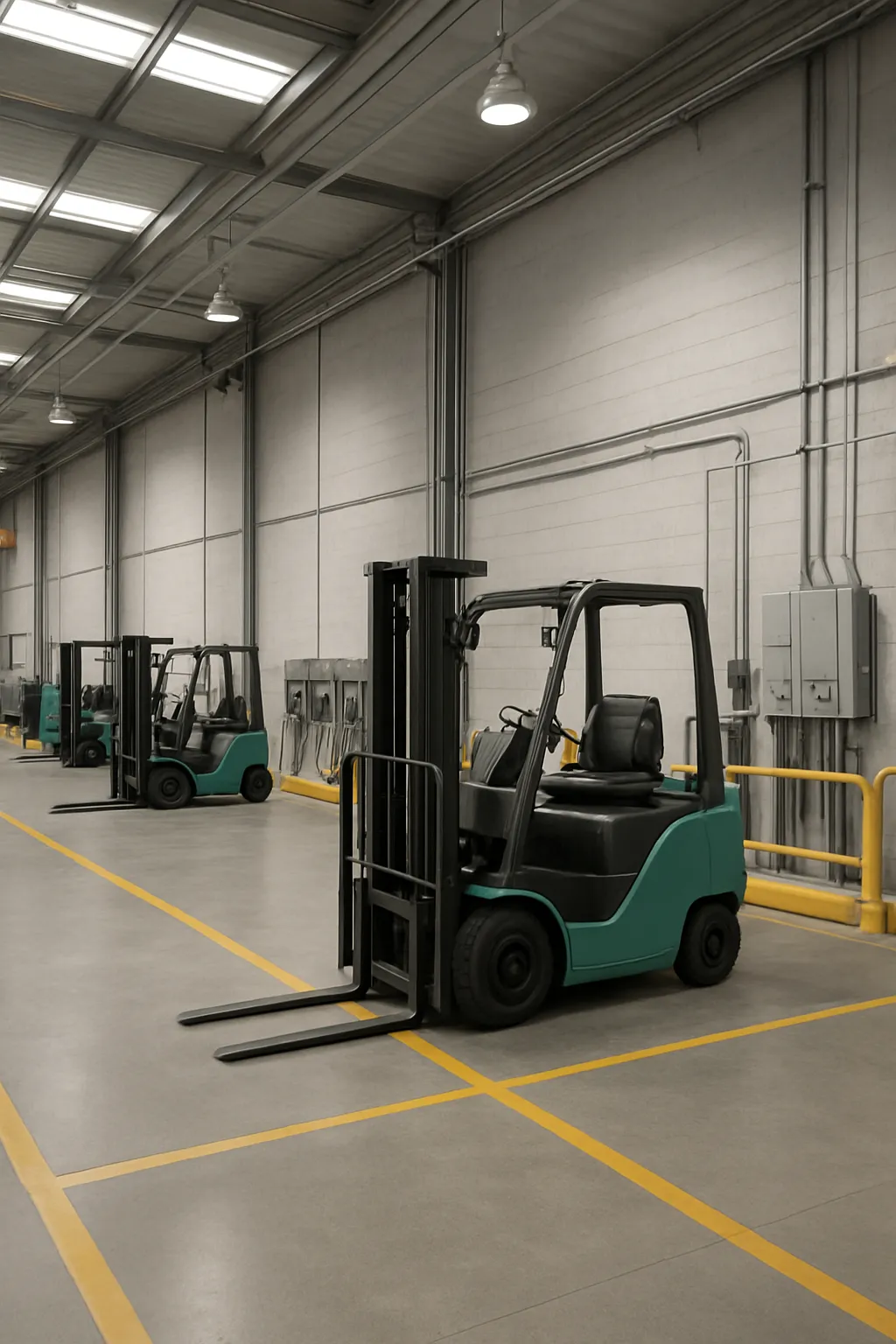
The shift toward electric forklifts is accelerating across North America as warehouses seek lower operating costs, reduced emissions, and improved efficiency. However, transitioning from internal combustion equipment to electric fleets requires more than purchasing new forklifts. Facilities must also prepare the infrastructure needed to keep those vehicles powered and productive.
Proper charger placement, electrical capacity, and workflow planning are essential to maximizing the benefits of electric forklifts. Without adequate preparation, even the most advanced fleet can experience unnecessary downtime and operational bottlenecks.
Why Infrastructure Planning Matters
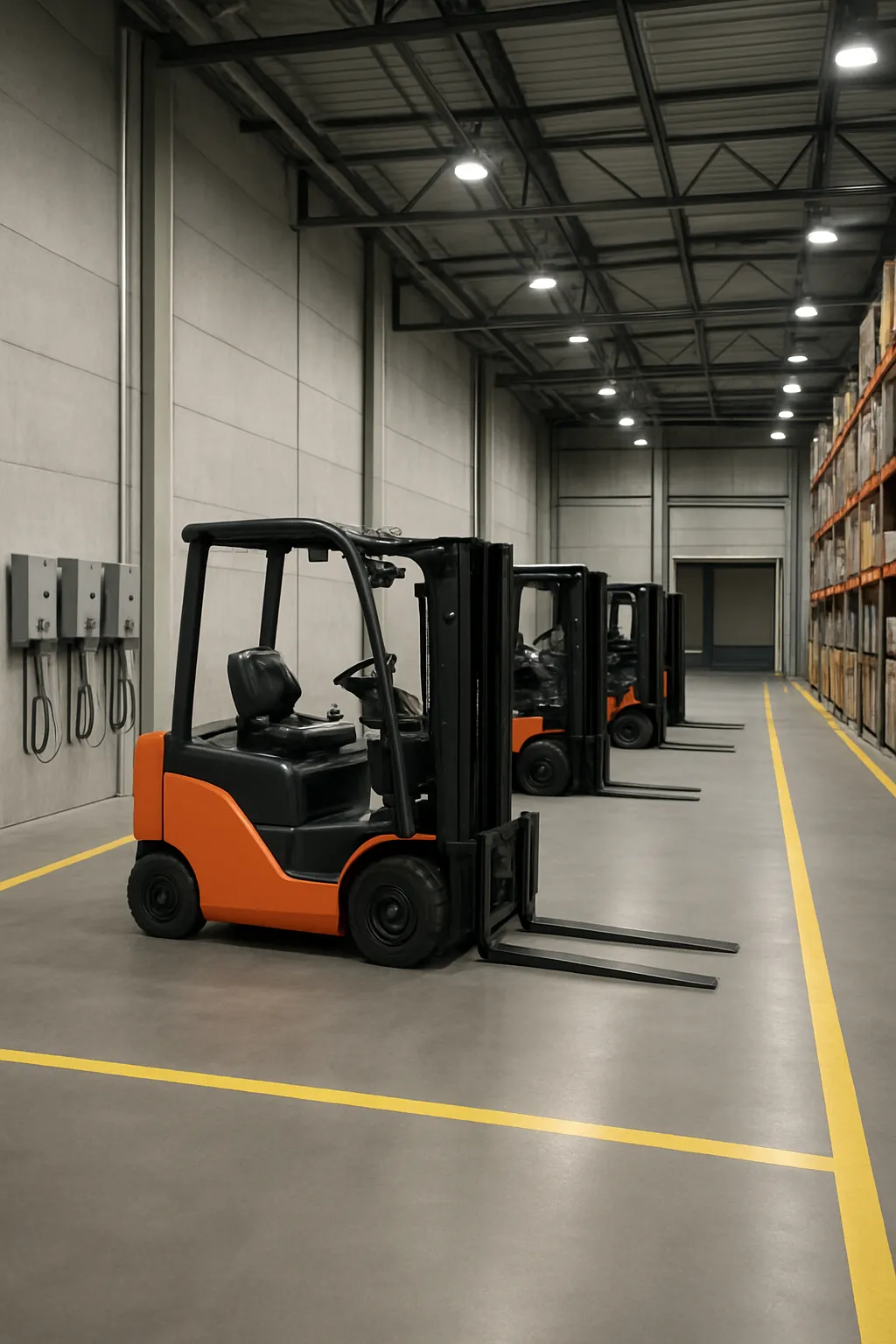
Electric forklifts depend on reliable charging systems. Unlike propane or diesel equipment that can be refueled within minutes, electric forklifts require carefully planned charging schedules and properly designed charging areas.
Infrastructure planning affects:
- Equipment availability
- Fleet productivity
- Energy efficiency
- Safety
- Future expansion
- Operating costs
Planning early prevents expensive modifications after equipment has already been delivered.

Evaluate Your Current Electrical Capacity
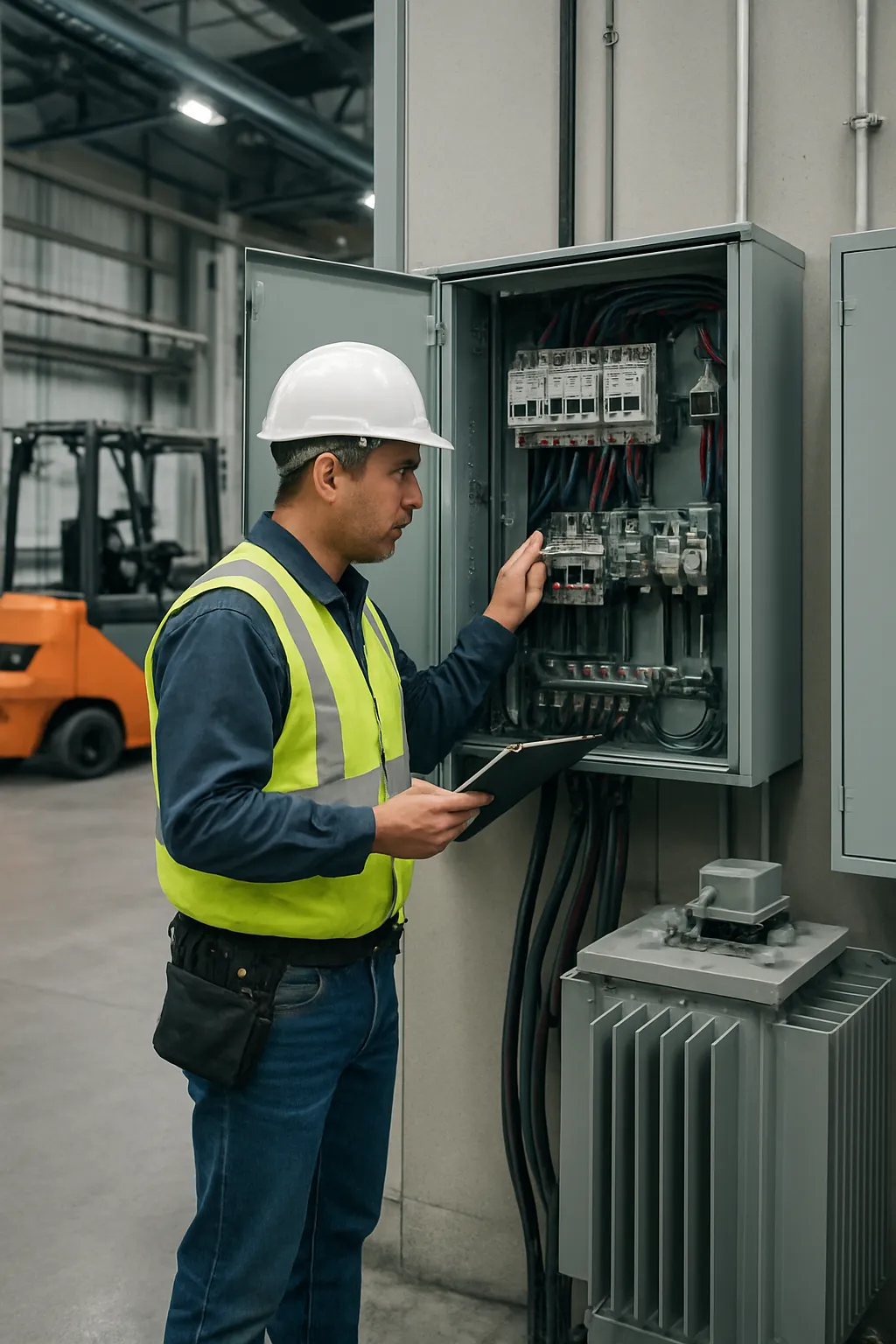
One of the first steps is determining whether your facility's electrical system can support additional charging equipment.
Facility managers should review:
- Available electrical service
- Panel capacity
- Transformer size
- Existing power demand
- Future expansion requirements
Larger fleets often require electrical upgrades before chargers can be installed safely. Working with qualified electrical engineers helps identify potential limitations before implementation begins.
Determining the Number of Chargers
The number of charging stations depends on several operational factors.
Fleet Requirements
- Fleet size
- Shift schedules
- Daily operating hours
Charging Requirements
- Charging speed
- Battery technology
Future Requirements
- Planned fleet growth
Single-shift operations may require fewer chargers than facilities operating continuously across multiple shifts.
Lithium-ion batteries also allow opportunity charging, which can reduce the total number of chargers needed.
Choosing the Right Charging Location
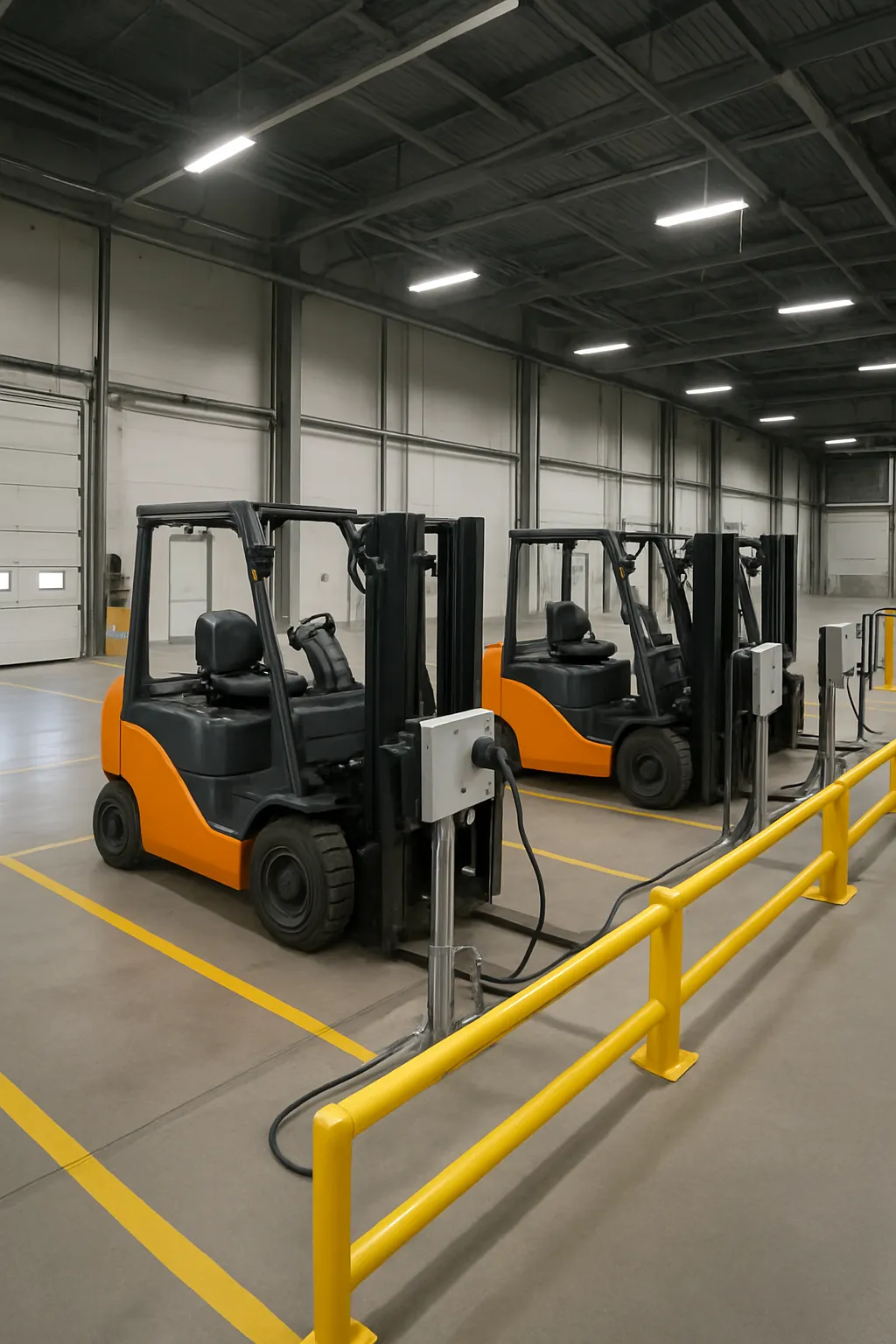
Charging stations should be positioned to minimize travel time while maintaining safe warehouse operations.
Good charging locations typically provide:
- Easy forklift access
- Adequate ventilation
- Clear traffic flow
- Sufficient lighting
- Protection from warehouse traffic
- Access for maintenance personnel
Charging areas should never interfere with loading docks, emergency exits, or pedestrian walkways. Proper planning improves efficiency while reducing workplace hazards.
Designing Safe Charging Areas
Safety remains a priority when installing charging equipment.
Zone Organization
- Clearly marked charging zones
- Appropriate warning signage
Emergency Protection
- Fire protection systems
- Emergency shut-off access
Equipment Protection
- Cable management
- Protective barriers
Organized charging areas reduce trip hazards while protecting both employees and equipment.
Planning for Future Expansion
Many businesses initially purchase only a portion of the electric fleet they ultimately intend to operate.
Planning for future growth prevents repeated infrastructure upgrades.
Consider:
- Additional charging locations
- Extra electrical capacity
- Space for future chargers
- Fleet expansion goals
- Facility growth plans
Installing expandable infrastructure today can significantly reduce future installation costs.
Managing Energy Demand
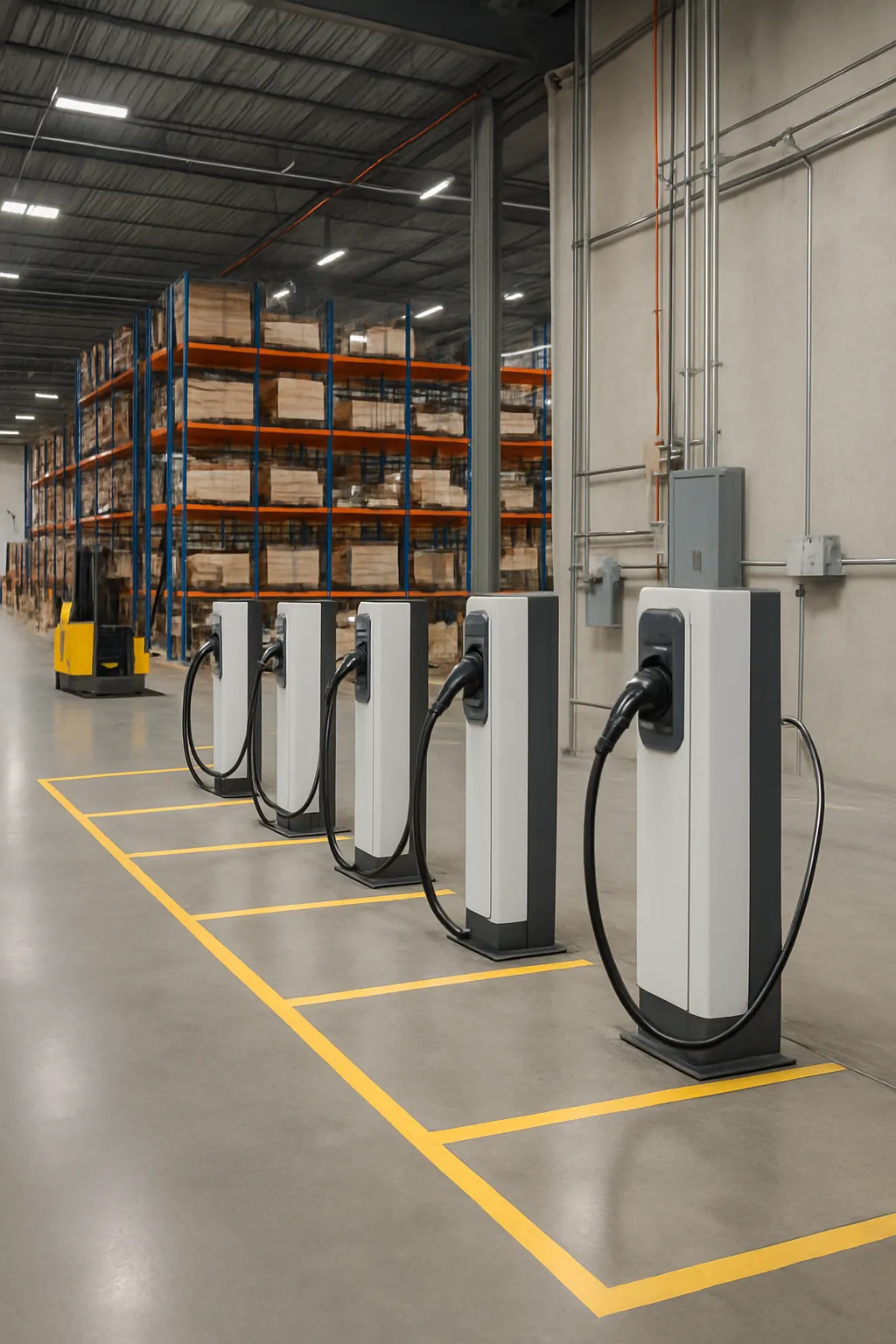
Charging multiple forklifts simultaneously creates a significant electrical demand.
Facility managers should evaluate:
Energy Usage
- Peak electricity usage
- Utility demand charges
Charging Control
- Charging schedules
- Smart charging software
Cost Reduction
- Off-peak charging opportunities
Many organizations stagger charging times to reduce peak energy consumption and lower utility costs.
Battery Technology Influences Layout
Charging infrastructure differs depending on battery type.
Lead-Acid Batteries
Lead-acid systems typically require:
- Dedicated charging rooms
- Ventilation systems
- Battery changing equipment
- Additional storage space
- Cooling periods
These requirements increase both facility space and operational complexity.
Lithium-Ion Batteries
Lithium-ion batteries offer greater flexibility.
Advantages include:
- Opportunity charging
- Faster charging times
- No battery swapping
- Smaller charging footprint
- Simplified workflows
This flexibility allows charging stations to be integrated more easily into existing warehouse layouts.
Equipment Selection Matters

The type of forklift selected influences charging requirements and facility planning.
Many warehouses rely on Electric counterbalance units. These versatile forklifts are commonly used for dock operations, pallet movement, and general warehouse applications. Understanding their charging requirements helps determine the number of stations, charger placement, and expected energy demand.
Different forklift classes may require varying charger capacities depending on battery size and operating schedules.
Workflow Considerations
Charging should support warehouse productivity, not interrupt it.
Managers should examine:
- Operator travel distances
- Shift change timing
- Equipment availability
- Charging queue management
- Peak operating periods
A well-designed charging strategy minimizes downtime while keeping forklifts available throughout the workday.

Training Employees
Successful implementation also requires employee education.
Operators should understand:
Charging Procedures
- Proper charging procedures
- Charger inspection
Battery Handling
- Battery safety
- Cable handling
Emergency Response
- Emergency procedures
- Reporting equipment issues
Consistent training protects both employees and charging equipment.
Final Thoughts
Preparing a facility for electric forklifts involves far more than installing chargers. Successful projects require careful planning around electrical capacity, charger placement, safety, workflow, and future expansion. Businesses that invest time in infrastructure planning can maximize equipment availability, improve warehouse efficiency, and reduce long-term operating costs.
Businesses beginning this transition can benefit from guidance provided by a trusted resource for buyers and fleet managers. Comprehensive equipment information and planning resources help organizations make informed decisions before investing in electric fleets.