
Compare Forklifts
Compare Forklifts
Compare Forklifts is usually easier to sort out when the comparison stays tied to the work. Russell Forklift helps you look at the daily tradeoffs that affect budget, uptime, operator flow, and long-term support.
The right answer is rarely about one feature alone. It comes from how the equipment will actually be used and what happens after the truck arrives.
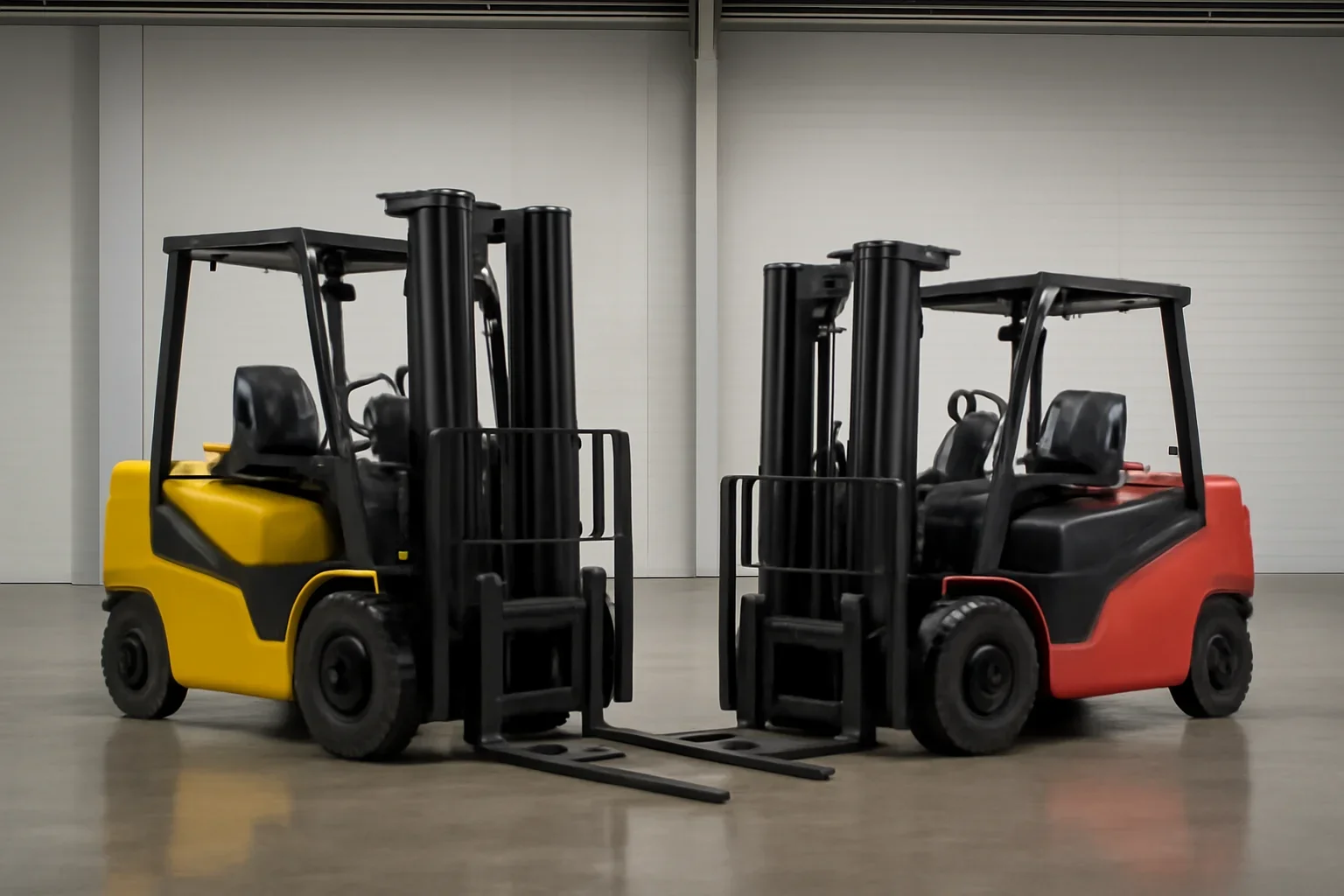
Side-by-Side Factors
| Decision Area | Option One | Option Two |
|---|---|---|
| Buying path | New, used, rental, and financing decisions all solve different timing and budget needs. | The right path depends on urgency, budget flexibility, uptime goals, and how long you expect to keep the equipment. |
| Fuel and power | Electric, propane, and diesel setups create different charging, refueling, and maintenance routines. | Daily environment and shift pattern usually narrow this decision quickly. |
| Equipment class | Warehouse trucks, outdoor units, and specialty equipment are built for very different workflows. | Matching the class to the work matters more than chasing a broad feature list. |
How to Make the Decision Practical
A comparison page can narrow the field, but the final decision still depends on your load, environment, traffic patterns, operator needs, and how long the equipment must solve the problem.
If the operation is changing quickly, a rental or a more flexible buying path may also deserve attention before you settle on a specific truck or power source.
- Confirm the environment and floor or yard conditions
- Review the most demanding loads and lift heights
- Think about support, service, and replacement timing
Keep Comparing the Right Things
Useful next pages include New vs Used Forklifts, Electric vs Propane Forklifts, Reach Truck vs Order Picker, and Forklift Buying Guide.
Talk Through the Tradeoffs
Share your layout, load details, fuel or charging preferences, and where the current uncertainty sits. We will help you compare the options in a way that matches the operation instead of forcing a generic answer.