Integrations
Attachments Integration
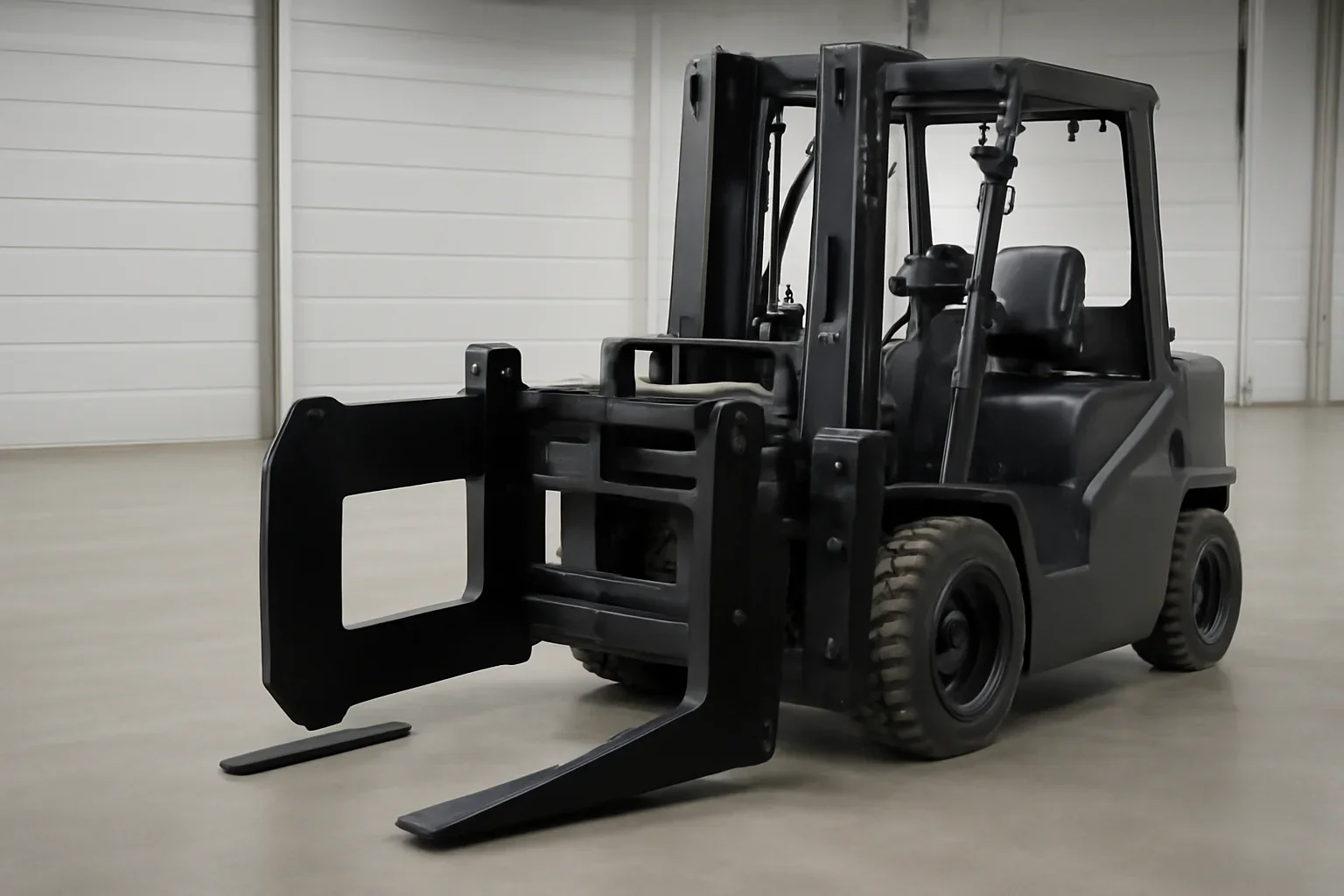
Better forklift performance often depends on more than the truck itself. Russell Forklift helps you review attachment compatibility so your equipment, operators, and daily workflow stay aligned.
That means looking at compatibility, maintenance implications, and whether the added setup improves productivity without creating new service or operating problems.
What We Review
Truck Capacity After The Attachment Is Installed
We start with truck capacity after the attachment is installed so the setup fits the work from day one.
Hydraulic Needs, Visibility, And Operator Workflow
Then we look at hydraulic needs, visibility, and operator workflow to keep the day-to-day workflow practical.
The Service And Parts Plan That Keeps The Setup Working
Finally, we plan for the service and parts plan that keeps the setup working so the setup stays useful over time.
Why Compatibility Matters
An add-on that looks good on paper can still slow the operation down if it changes capacity, visibility, charging rhythm, or the way operators move through the facility. Good integration planning reduces that risk before it affects the schedule.
That is why we review the truck, the environment, and the support path together instead of treating attachments, batteries, chargers, telematics, or dock equipment as separate decisions.
- Confirm truck capacity after the attachment is installed
- Confirm hydraulic needs, visibility, and operator workflow
- Confirm the service and parts plan that keeps the setup working
Keep the Whole Workflow in View
Related pages include Forklift Attachments, Forklift Parts, Used Forklifts, and Request a Quote.
Plan the Setup Before It Becomes a Problem
Tell us what trucks you use, what equipment or add-ons you are evaluating, and where the current friction shows up. We will help you review the setup so the next move supports the workflow instead of complicating it.