Service
Forklift Tire Service
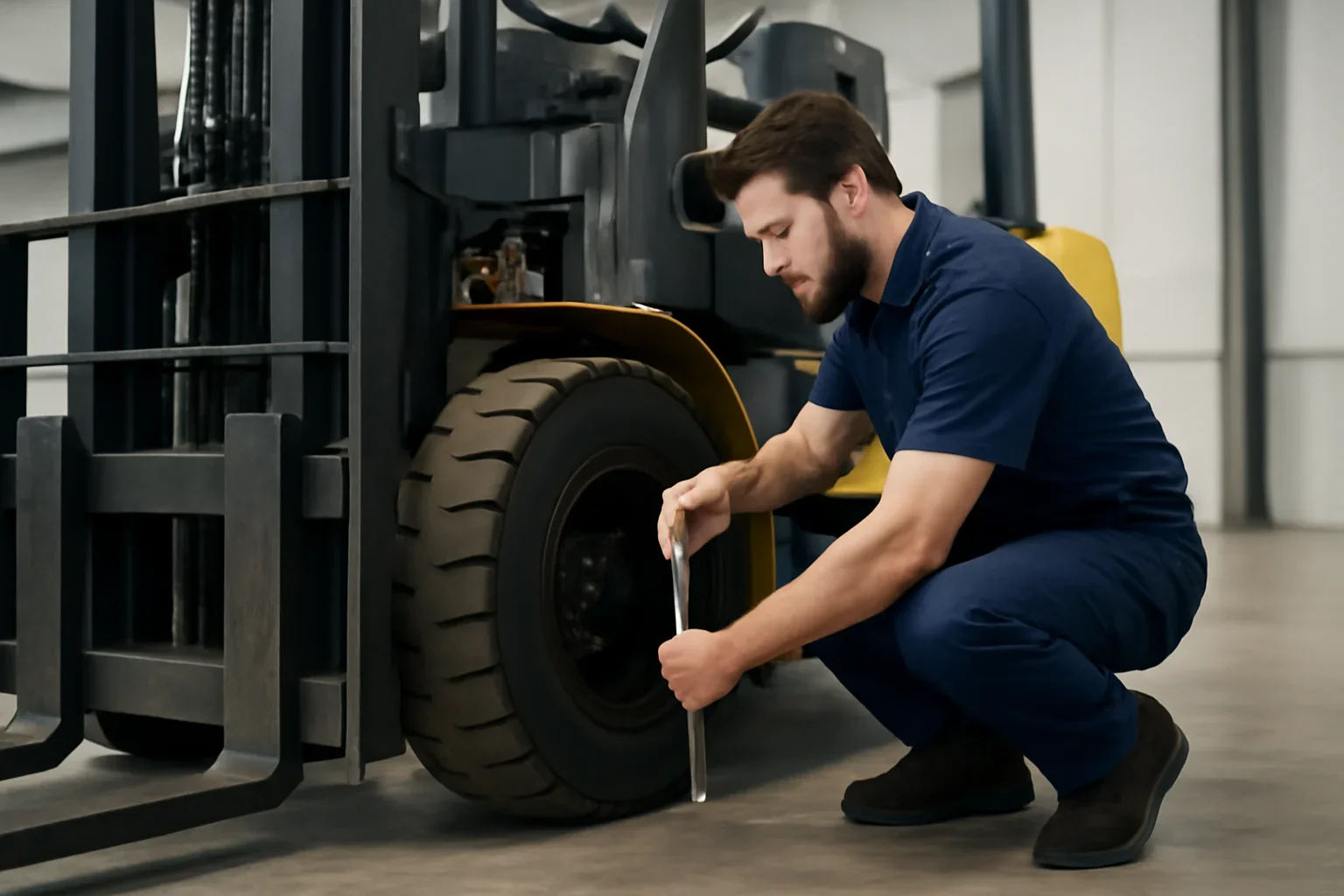
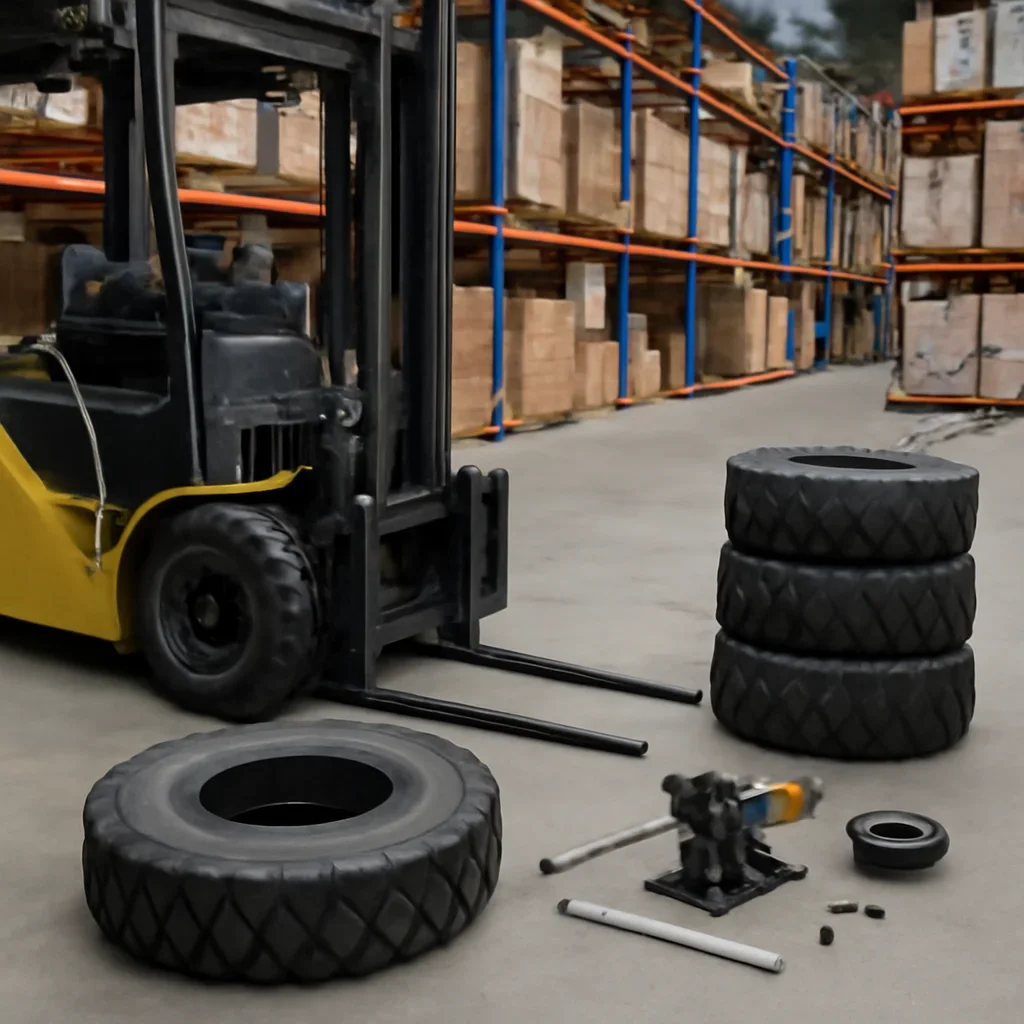
Forklift tire condition affects traction, stability, operator confidence, and how smoothly a truck moves through the day. Waiting too long on worn tires can create more downtime than the replacement itself.
Russell Forklift helps you review tire wear, application fit, and replacement timing so tire service becomes a planned step instead of an emergency.
What Strong Service Planning Looks Like
Clear Equipment Details
Model information, symptoms, usage pattern, and site conditions all help move the next step forward faster.
A Practical Priority
Not every issue carries the same urgency. The right response depends on downtime pressure, safety impact, and how the truck is being used.
A Better Ongoing Rhythm
The real goal is to reduce repeat issues and make the support path clearer the next time something needs attention.
How to Make the Next Service Conversation More Useful
Most service delays start before the wrench turns. Missing machine details, unclear symptoms, or no record of what changed can slow the whole process.
When the truck issue is described clearly and tied to the way the machine is used, it becomes easier to sort urgency, likely wear items, and the most practical next step.
- Machine make, model, and serial information when available
- What the truck is doing, not doing, or doing differently
- Any warning lights, charging issues, leaks, or unusual wear
- Where the truck is located and how urgent the problem is
Related Service and Support Pages
Useful next pages include How to Extend Forklift Tire Life, Forklift Service, Planned Maintenance Programs, and Service Request.
Give Us the Details That Matter
Share what equipment you are working with, what changed, and what timing pressure the business is under. We will help you sort the next step and point you to the most useful service, parts, or rental path.