Russell Forklift Blog
Used Forklift Inspection Checklist
A used forklift inspection should tell you what the truck is ready to do now and what it is likely to need next. That means looking beyond appearance and checking the systems that affect safety, uptime, and cost.
This article keeps the focus on practical buying, rental, and service decisions so you can move forward with a clearer view of what matters most.
Check Operating Condition First
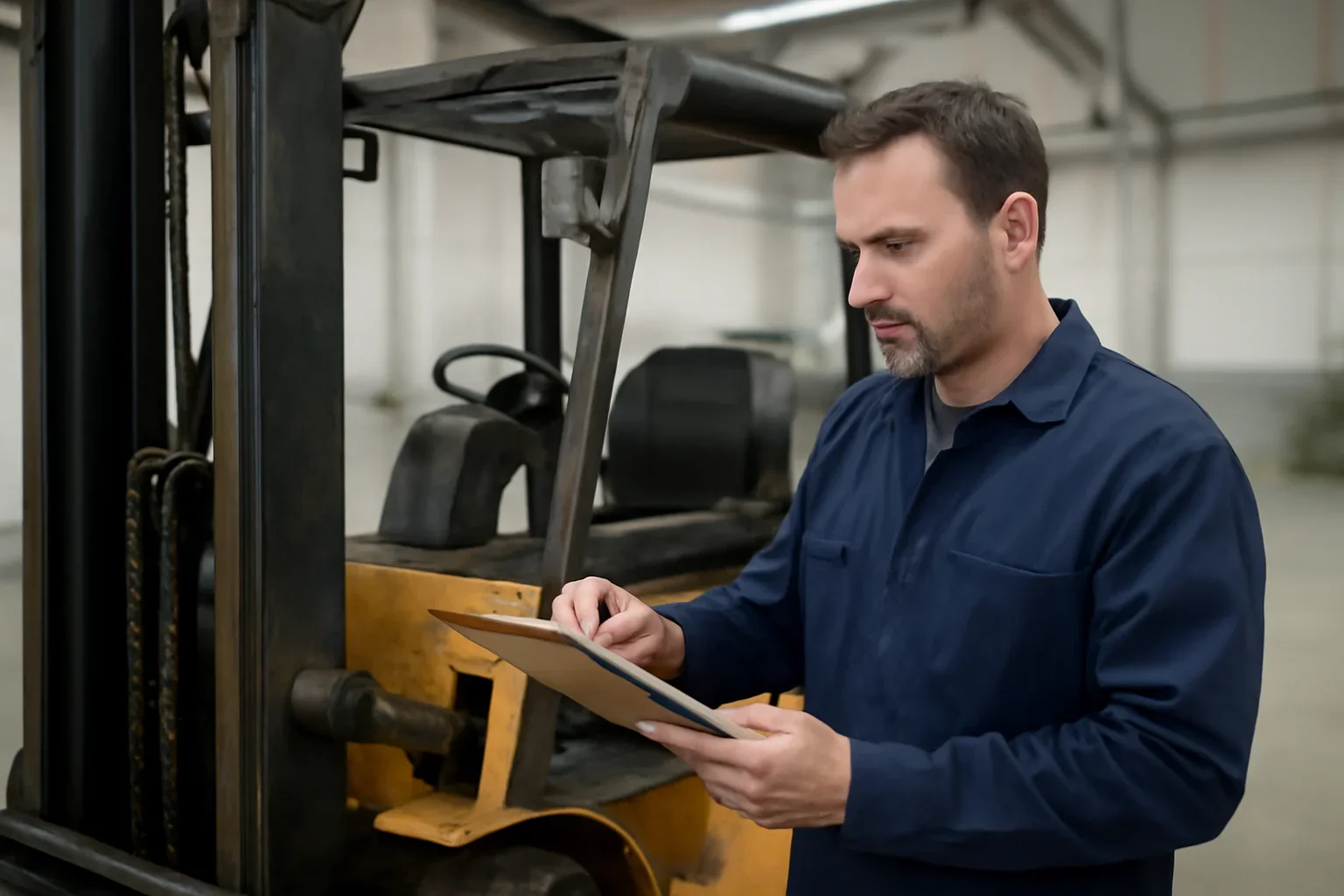
Start with startup behavior, warning lights, mast movement, braking, steering, tires, battery or engine condition, and visible leaks or damage.
When that first question is answered well, the rest of the decision usually becomes easier because the field gets smaller and the tradeoffs become clearer.
Review Wear Items and Service Clues
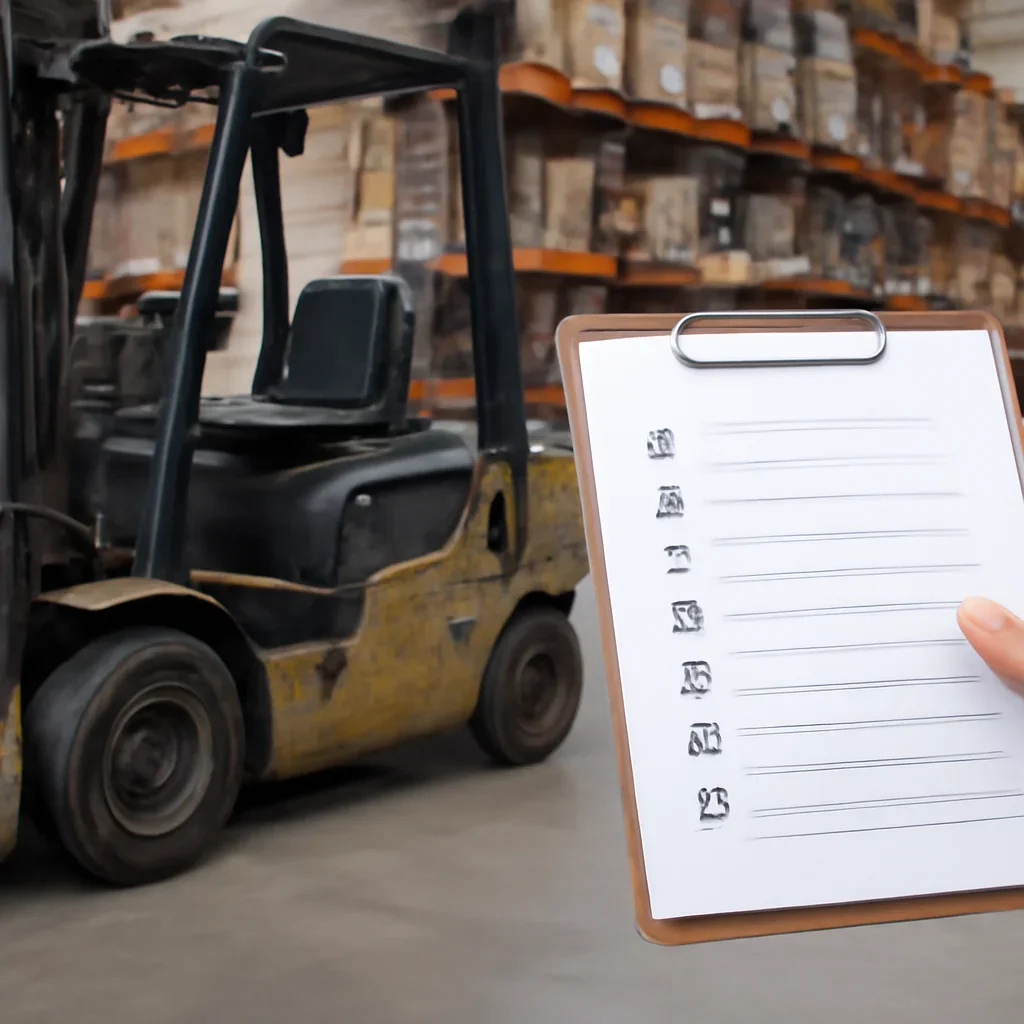
Forks, chains, hoses, seals, connectors, and tires tell you a lot about how the truck was used and what costs may be close.
That is usually where a quick comparison, inspection, or support conversation can prevent a more expensive mistake later on.
Match the Truck to Your Work
Even a well-kept forklift is the wrong buy if capacity, lift height, or fuel choice does not fit the job.
That is usually where a quick comparison, inspection, or support conversation can prevent a more expensive mistake later on.
Keep the Next Step Moving
If you are applying this article to a real equipment decision, share your loads, layout, timing, and whether you are considering a purchase, rental, service call, or fleet change. We will help you turn the question into a practical next step.
Useful related pages include Used Forklifts, What Documents to Request When Buying Used Equipment, Pricing, and Request a Quote.