Forklift Battery Comparison
Lead-Acid vs. Lithium Batteries for Houston Fleets
Houston is one of North America's busiest logistics and distribution hubs, with warehouses supporting manufacturing, retail, energy, food distribution, and e-commerce. As businesses modernize their operations, choosing the right forklift battery has become an increasingly important decision. While lead-acid batteries have powered electric forklifts for decades, lithium-ion technology is rapidly changing how warehouses manage equipment, productivity, and operating costs.
Battery technology affects far more than run time. It influences maintenance schedules, charging infrastructure, equipment availability, and the total cost of ownership. Fleet managers evaluating their next equipment purchase should look beyond the initial price and consider long-term performance. For comprehensive equipment comparisons, buying guides, and industry insights, visit Canada's most complete forklift resource.
Why Battery Selection Matters
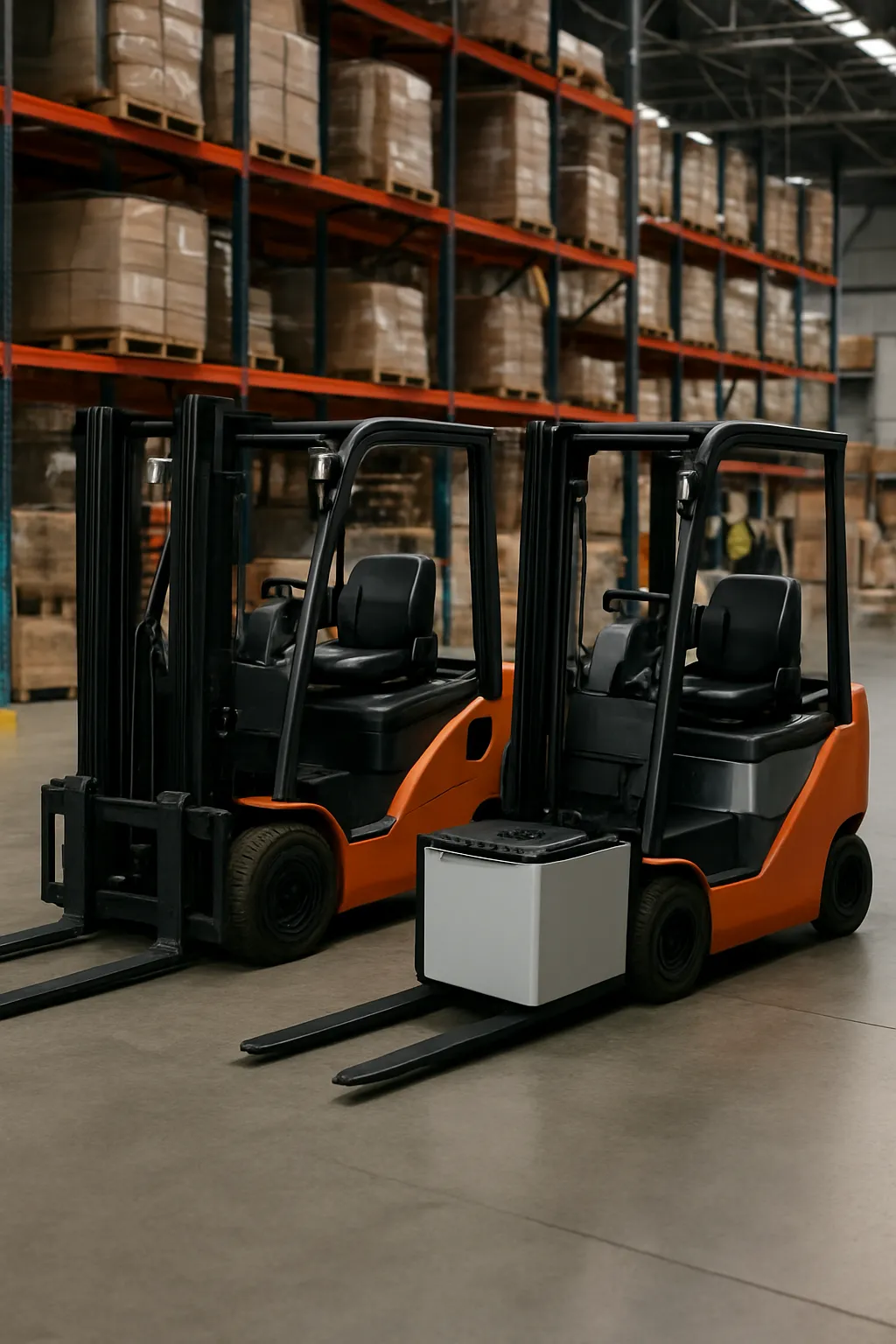
Forklift batteries directly impact warehouse efficiency.
The right battery system helps businesses:
- Maximize equipment uptime
- Reduce maintenance costs
- Improve operator productivity
- Lower energy expenses
- Support sustainability goals
As Houston warehouses expand to meet growing customer demand, battery performance has become a strategic business consideration rather than simply an equipment specification.
Understanding Lead-Acid Batteries
Advantages
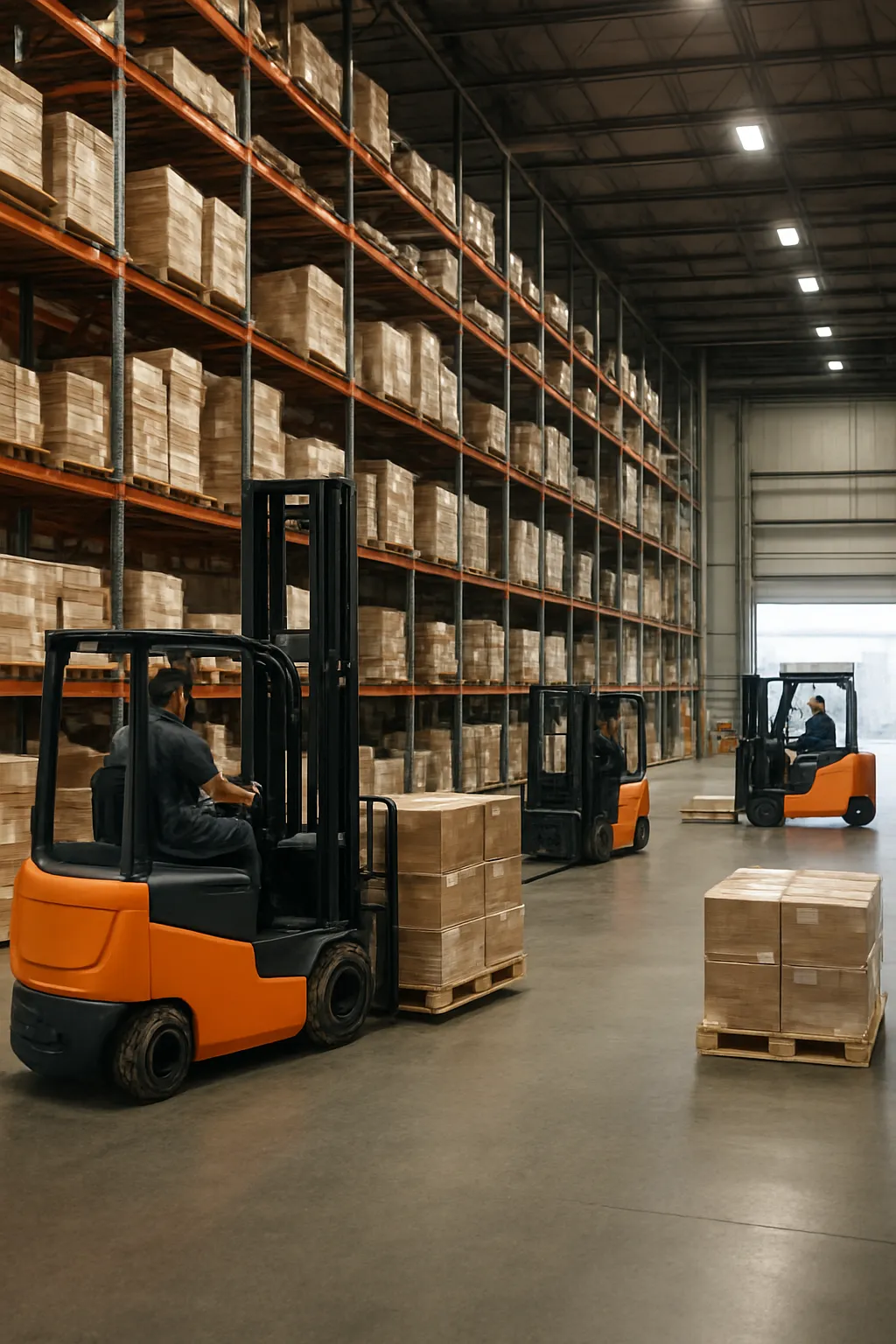
Lead-acid batteries have been the industry standard for many years because they are reliable and relatively affordable.
Their advantages include:
- Lower upfront purchase costs
- Proven performance
- Wide availability
- Established charging systems
Routine Maintenance
However, lead-acid batteries require ongoing maintenance to perform efficiently.
Routine maintenance typically involves:
- Checking water levels
- Cleaning battery terminals
- Equalization charging
- Monitoring charging cycles
- Proper ventilation during charging
Failure to maintain lead-acid batteries properly can reduce battery life and increase operating costs.
Understanding Lithium-Ion Technology
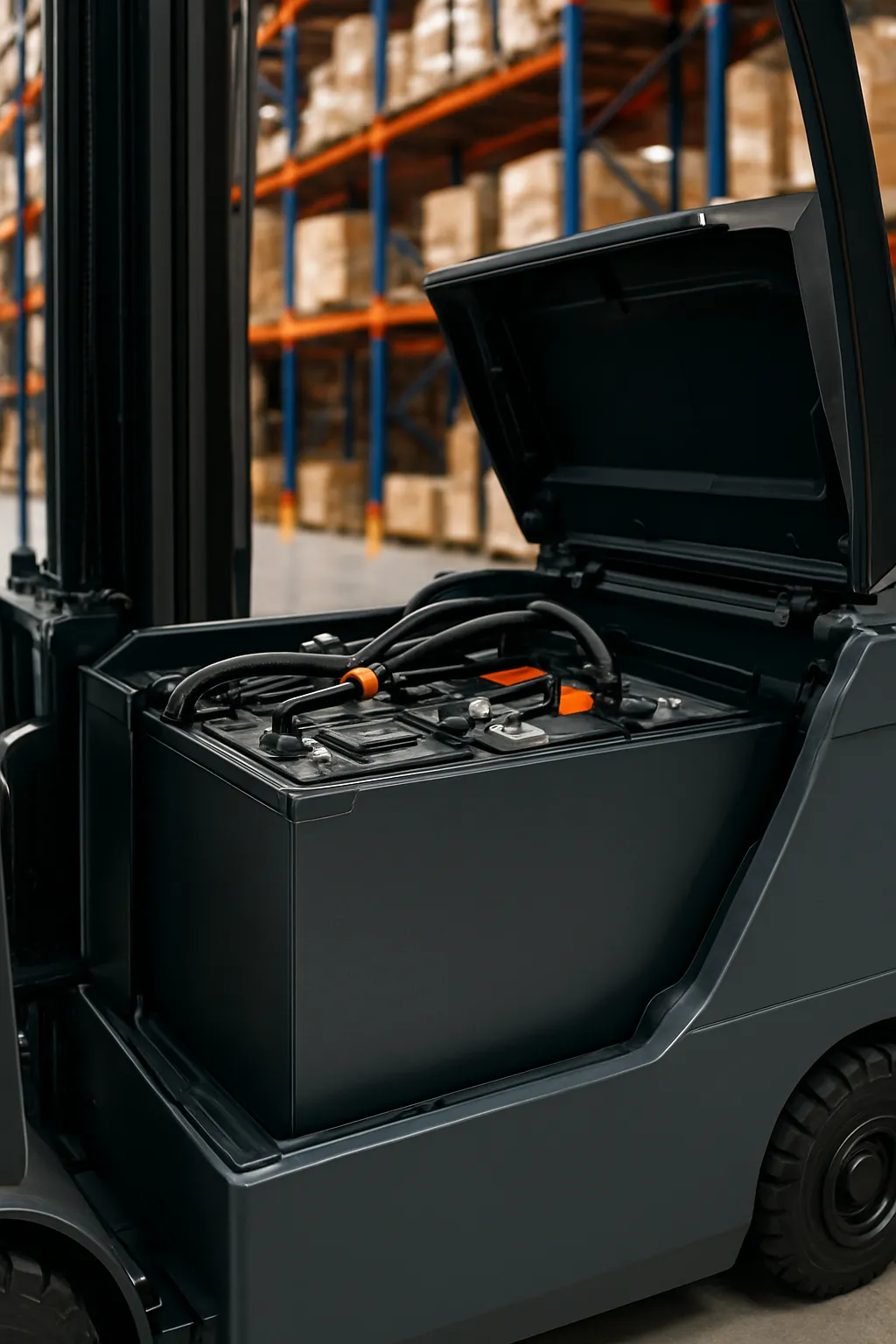
Lithium-ion batteries have transformed electric forklift operations across North America.
Unlike lead-acid systems, lithium-ion batteries require very little routine maintenance while providing consistent power throughout the workday.
Key benefits include:
- Fast charging
- Opportunity charging during breaks
- No battery watering
- Longer service life
- Higher energy efficiency
- Consistent performance
These advantages allow warehouses to keep forklifts operating longer with fewer interruptions.
Charging Time Comparison
Charging time is often one of the biggest deciding factors.
Lead-Acid Batteries
Most lead-acid batteries require:
- Approximately 8 hours to charge
- Additional cooling time
- Dedicated battery charging areas
- Spare batteries for multi-shift operations
This process can require significant warehouse space and additional equipment.
Lithium-Ion Batteries
Lithium-ion batteries offer much greater flexibility.
Benefits include:
- Rapid charging
- Opportunity charging
- Minimal cooling time
- No battery swapping for many operations
Operators can recharge equipment during scheduled breaks without removing the battery, significantly increasing equipment availability.
Maintenance Requirements
Maintenance costs affect long-term profitability.
| Lead-Acid Maintenance | Lithium-Ion Maintenance |
|---|---|
| Watering | No watering |
| Cleaning corrosion | Reduced cleaning |
| Cable inspections | Lower labour costs |
| Charger monitoring | Fewer service interruptions |
| Battery equalization | Simplified battery management |
Lead-Acid Maintenance
Businesses must regularly perform:
- Watering
- Cleaning corrosion
- Cable inspections
- Charger monitoring
- Battery equalization
These tasks require both labour and scheduled downtime.
Lithium-Ion Maintenance
Lithium-ion systems eliminate many traditional maintenance requirements.
Businesses benefit from:
- No watering
- Reduced cleaning
- Lower labour costs
- Fewer service interruptions
- Simplified battery management
Lower maintenance requirements allow technicians to focus on other critical equipment.
Lifespan and Return on Investment
Although lithium-ion batteries typically cost more initially, they often provide a greater return over time.
Compared to lead-acid batteries, lithium-ion systems generally offer:
- Longer operational lifespan
- More charging cycles
- Consistent voltage output
- Better long-term reliability
For high-utilization warehouses, the lower maintenance requirements and longer battery life often offset the higher purchase price.
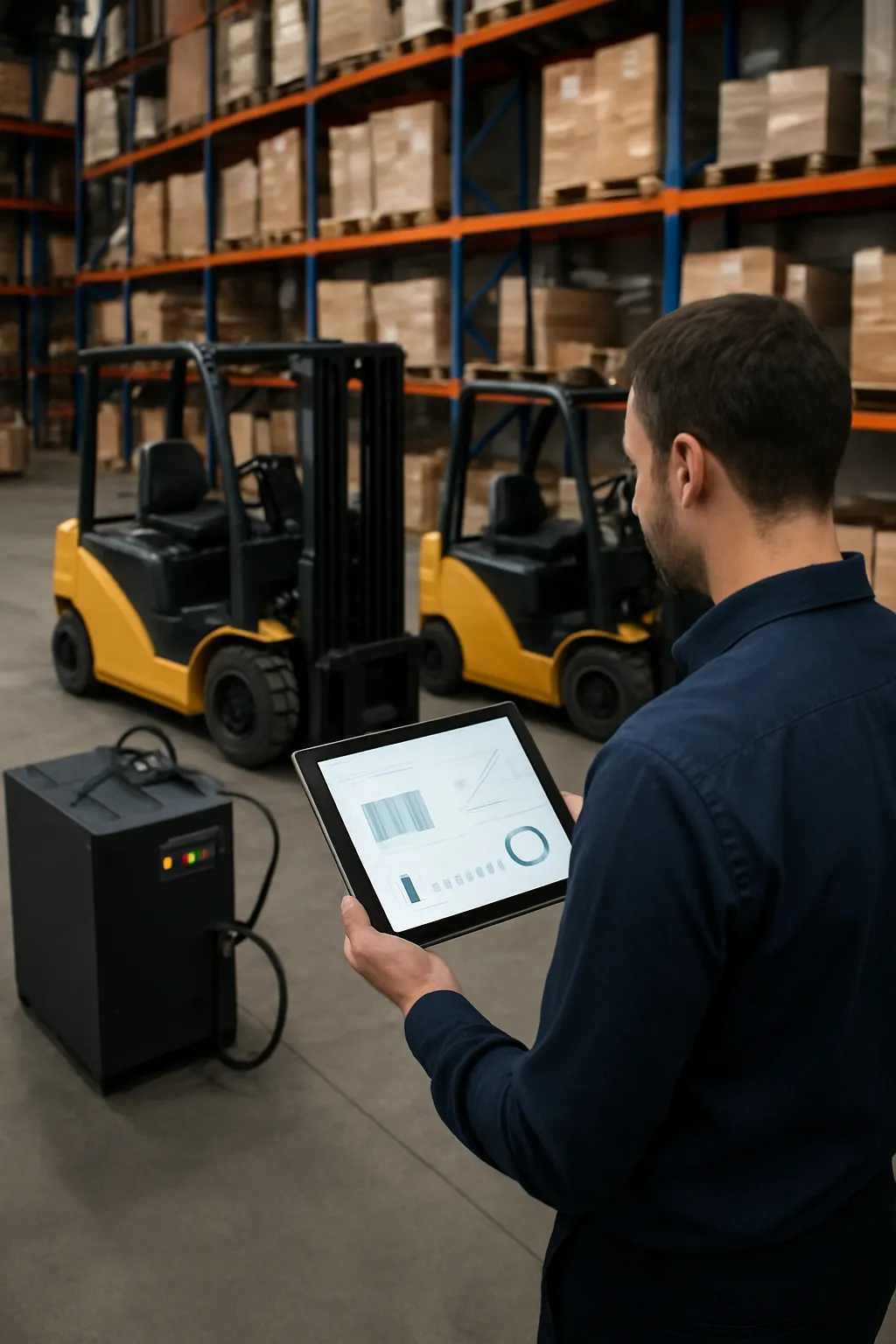
Houston Warehouses Continue to Modernize
Houston's expanding logistics sector has increased demand for equipment that supports:
Faster Order Fulfillment
Multi-Shift Operations
Higher Productivity
Lower Operating Costs
Many warehouse operators are upgrading older fleets as part of broader modernization initiatives focused on efficiency and sustainability.
Battery technology plays an important role in achieving these objectives.
North America Is Shifting Toward Lithium-Ion
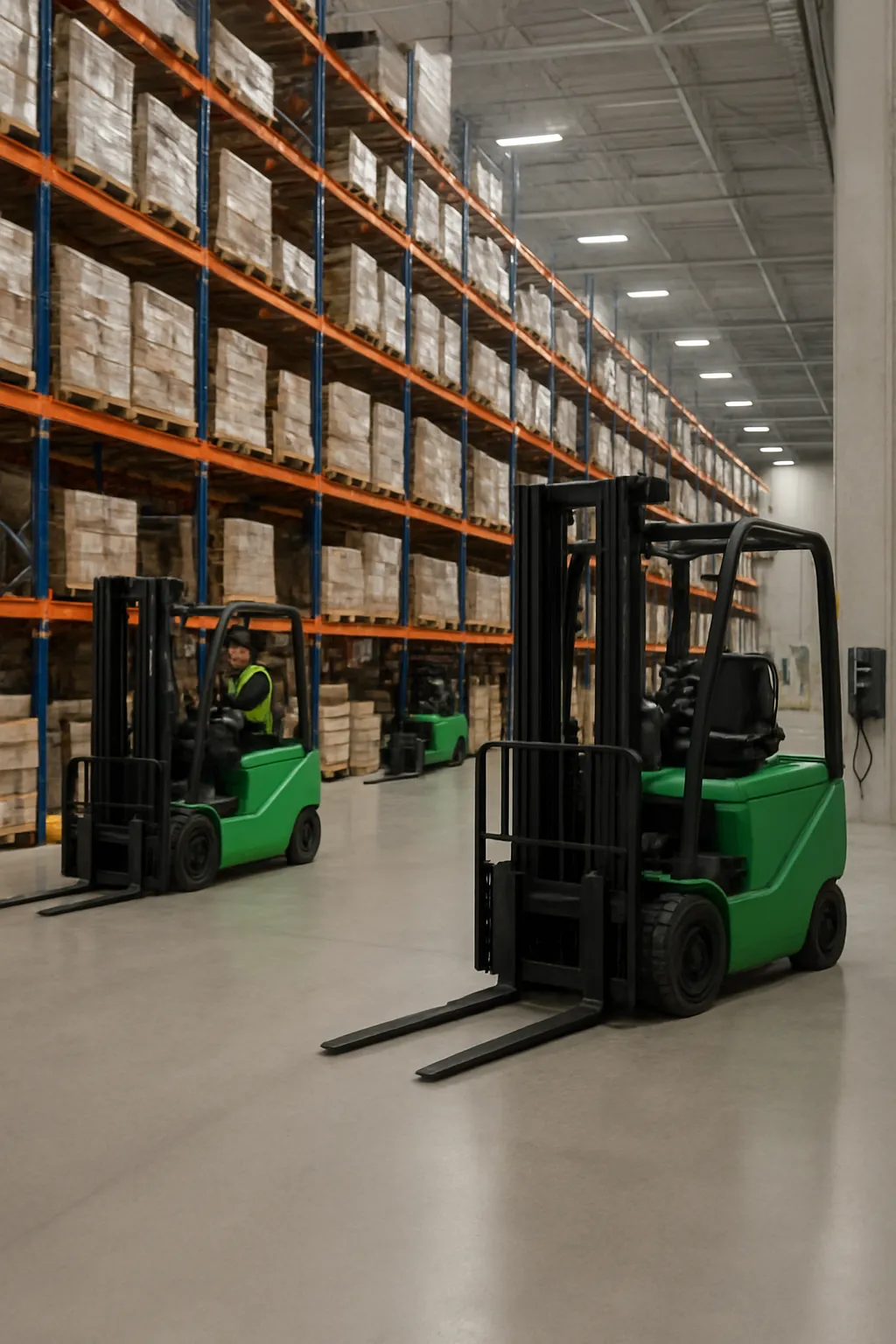
The movement toward lithium-ion technology is no longer limited to a handful of large distribution centres.
Across North America, warehouses are increasingly investing in electric equipment because of lower operating costs, improved productivity, and reduced maintenance requirements. Businesses interested in learning more about leading the shift as warehouses upgrade aging internal combustion fleets. can explore how electric forklifts are transforming modern material handling operations.
Infrastructure Planning
Switching to lithium-ion requires more than purchasing new forklifts.
Warehouse managers should evaluate:
- Electrical capacity
- Charger placement
- Future fleet expansion
- Shift scheduling
- Backup power requirements
Proper infrastructure planning ensures charging systems support daily operations without creating bottlenecks.
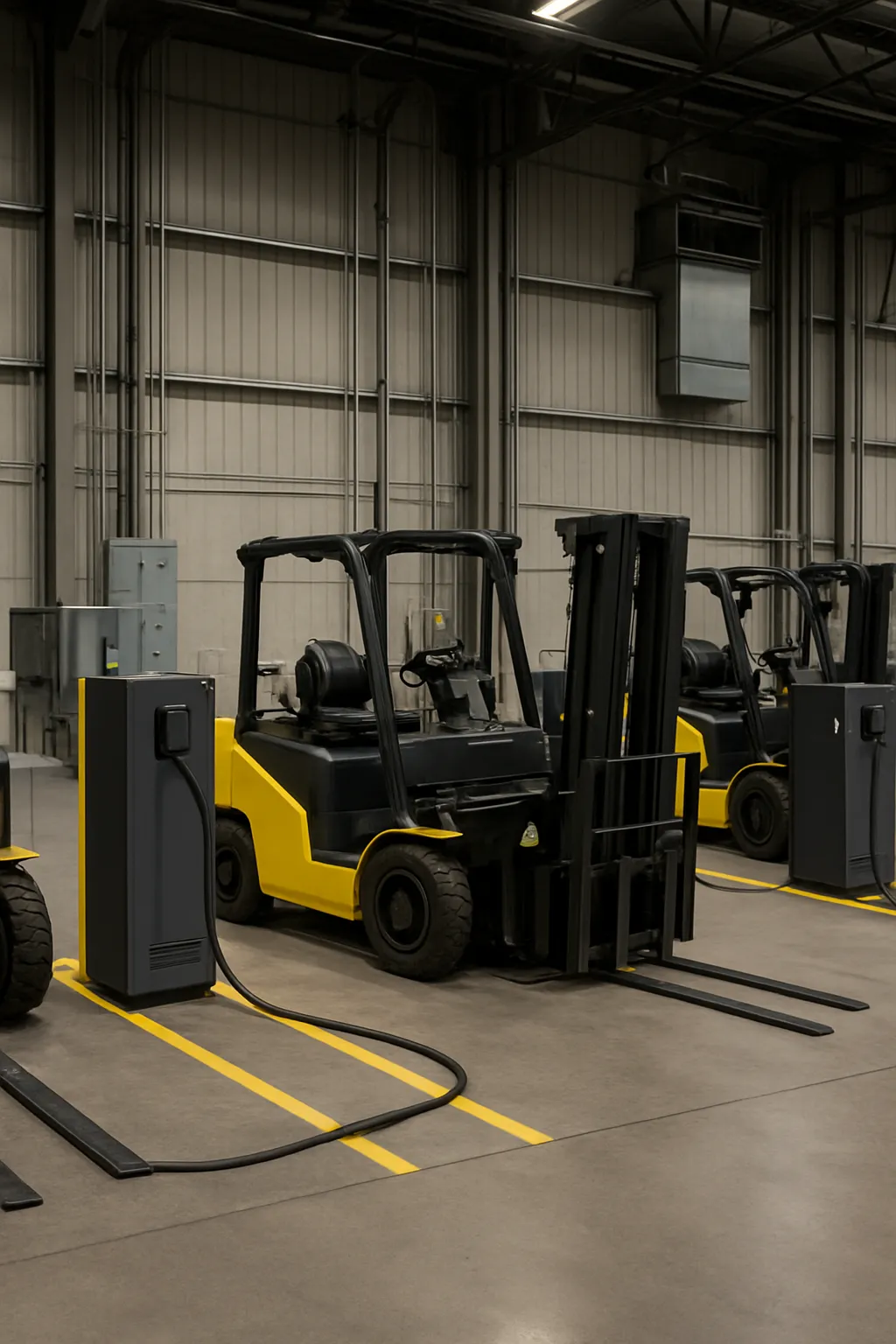
Which Battery Is Best?
There is no single solution for every warehouse.
Lead-Acid Batteries May Still Be Appropriate For
- Smaller operations
- Single-shift facilities
- Budget-conscious businesses
- Lower equipment utilization
Lithium-Ion Batteries Often Deliver Greater Value For
- Multi-shift warehouses
- High-volume distribution centres
- Facilities seeking lower maintenance
- Businesses investing in long-term growth
Choosing the right battery depends on workload, operating hours, facility infrastructure, and future expansion plans.
Final Thoughts
As Houston warehouses continue adopting automation and modern material handling equipment, battery technology has become a key factor in operational efficiency. While lead-acid batteries remain a dependable option for many applications, lithium-ion technology offers significant advantages in charging speed, maintenance, battery lifespan, and overall productivity.
Before making a purchasing decision, businesses should carefully evaluate their operational requirements, charging infrastructure, maintenance resources, and long-term goals.
Selecting the right battery technology today can improve fleet performance, reduce operating costs, and position warehouses for future growth in an increasingly competitive logistics environment. For comprehensive equipment comparisons, buying guides, and industry insights, visit Canada's most complete forklift resource.
